

Tourism Boom Intensifies: Decoding Dubai’s City Appeal Through 2025 Data
According to data from Dubai's Department of Economy and Tourism, the city welcomed 19.59 million international overnight visitors in 2025, marking a 5% year-on-year increase. Hotel room supply and occupancy rates rose in tandem, with tourism emerging as a key driver of economic growth—while its strong performance serves as a fundamental pillar supporting real estate value.
Notably, December alone recorded over 2 million visitors, setting a new historical high. The influx of tens of millions of tourists has directly stimulated rigid demand across hospitality, retail, and high-end residential real estate sectors. As a core pillar of Dubai’s economic diversification, tourism continues to drive the upgrading of real estate demand.
Launched in 2023, the Dubai Economic Agenda D33 aims to expand Dubai's economy to AED 32 trillion by 2033, positioning the city among the world's top three hubs for tourism, trade, and investment. Enhancing visitor experience and attracting global talent both rely heavily on comprehensive real estate infrastructure—providing investors with clear and compelling growth expectations.
01 Diversified Global Source Markets
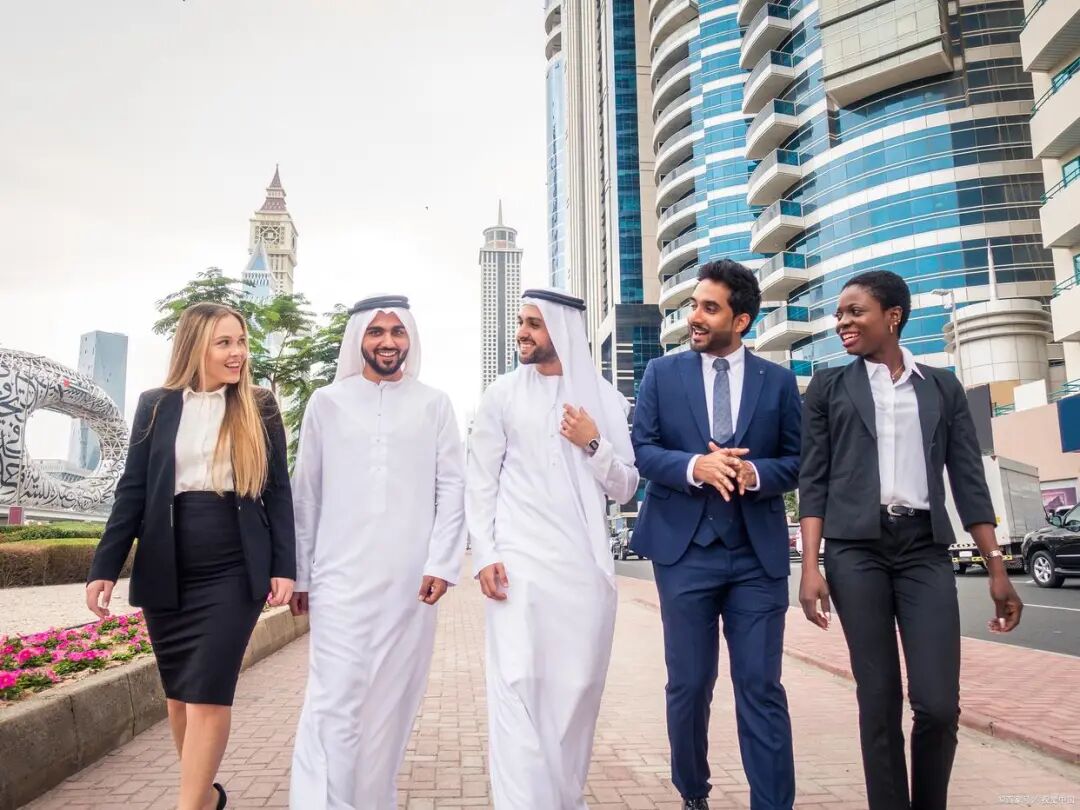
In 2025, Dubai's visitor base demonstrated a well-balanced global distribution, significantly enhancing the resilience of real estate demand:
Western Europe: 4.1 million visitors (21%), remaining the largest source market
GCC: 2.99 million (15%)
CIS & Eastern Europe: 2.89 million (15%)
South Asia: 2.89 million (15%)
Middle East & North Africa: 2.17 million (11%)
Northeast & Southeast Asia: 9%
Americas: 7%
Africa: 5%
Oceania: 2%
This diversified visitor mix drives equally diversified real estate demand:
Short-term tourists boost demand for serviced apartments and resort properties
Business travelers and long-term residents support high-end residential and rental markets
Global visitor flows further push up commercial property rents and asset values
02 Strong Growth in the Hospitality Sector
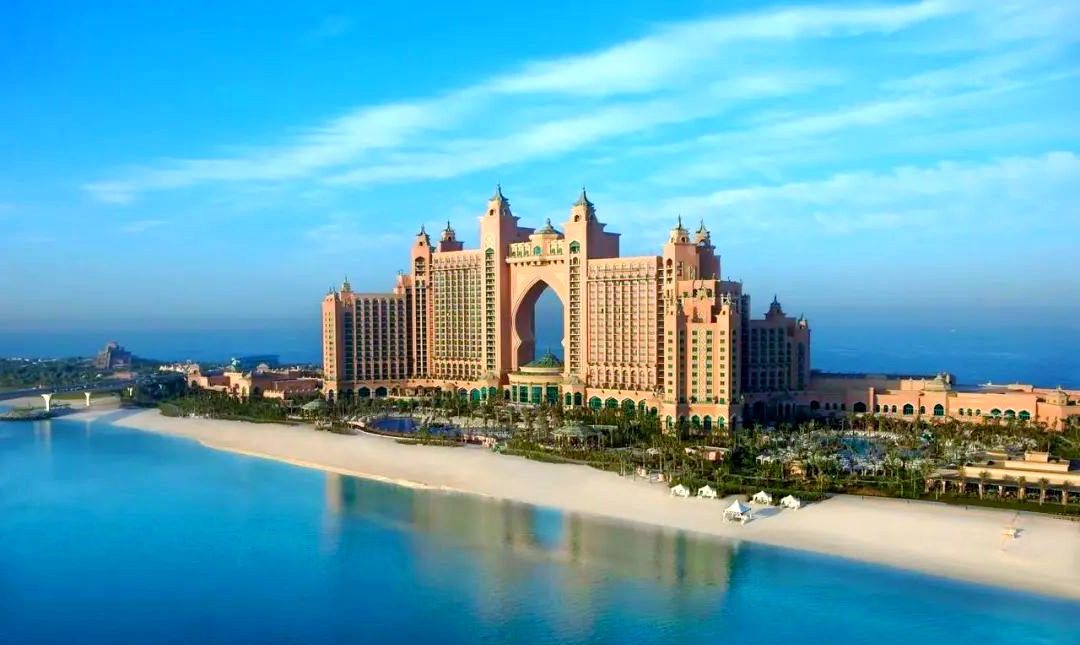
The tourism boom has directly fueled rapid expansion in the hospitality sector. By the end of 2025, Dubai had 154,264 hotel rooms across 827 establishments, surpassing cities such as Bangkok and New York, and reaching parity with London.
Key performance indicators showed across-the-board growth, signaling strong tailwinds for real estate:
Average occupancy rate: 80.7% (up from 78.2% in 2024), indicating a clear shortage in short-term accommodation and strong opportunities for serviced apartments
Occupied room nights: 44.85 million (+4% YoY), driving demand for surrounding retail and leisure real estate
Average length of stay: 3.7 nights, supporting demand in high-end rental markets
Average daily rate (ADR): AED 579 (+8% YoY), boosting surrounding property values
Revenue per available room (RevPAR): AED 467 (+11% YoY), attracting capital into tourism-linked real estate
03 Unlocking New Real Estate Value Zones
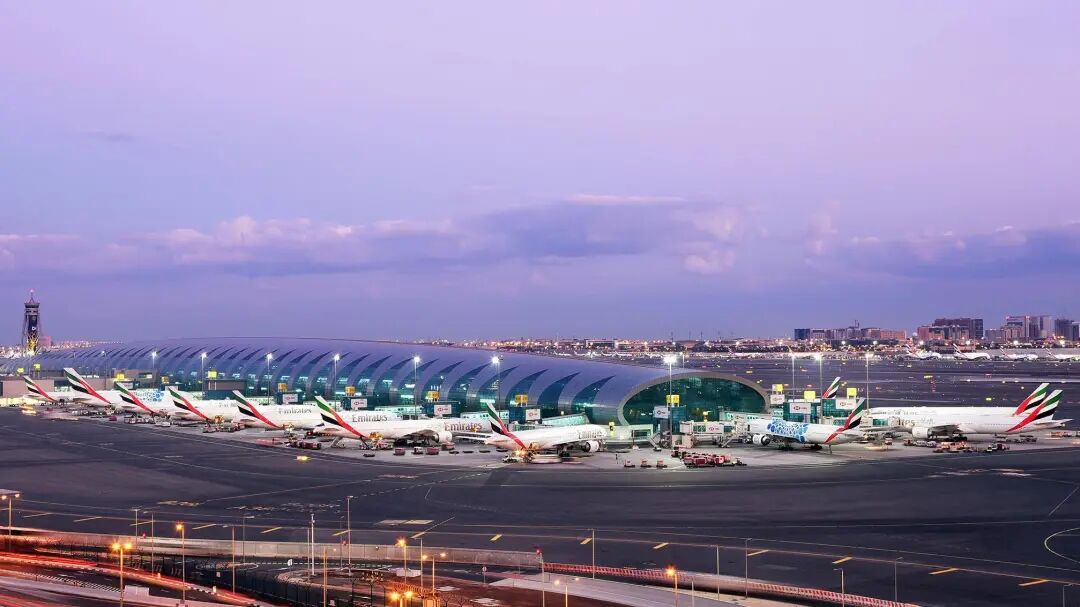
Dubai International Airport continues to rank as the world's busiest airport for international passengers. In Q3 2025 alone, passenger traffic reached 24.2 million (a quarterly record), with 70.1 million passengers in the first nine months, up 2.1% year-on-year.
Rising passenger volumes are directly driving value appreciation in airport-adjacent and transit-oriented real estate. To accommodate future growth, Dubai is accelerating the expansion of Al Maktoum International Airport and advancing the Dubai Metro Blue Line, further enhancing connectivity and unlocking new development corridors.
With 19.59 million visitors, a booming hospitality sector, expanding infrastructure, and the strategic backing of the D33 Agenda, Dubai's real estate market stands at a pivotal moment—emerging as a prime destination for stable, long-term global investment.