

Dubai Real Estate Market: Buyers and Tenants Are Returning
After several weeks of regional uncertainty, Dubai's real estate market is showing clear signs of recovery. Recent market data indicates a rebound in buyer inquiries, rental demand, and agent activity, suggesting that the market is not entering a slowdown phase but rather returning to its normal rhythm following a period of caution.
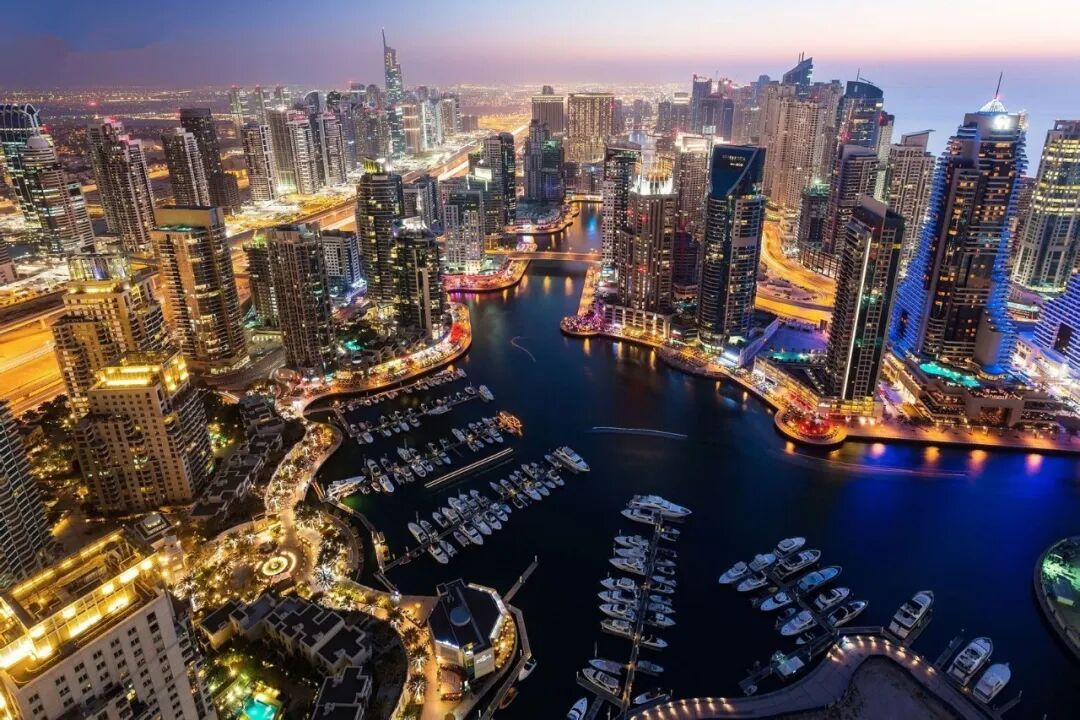
According to data from Betterhomes, Dubai's secondary property market began to improve in April. Transaction volumes recorded by the Dubai Land Department increased by nearly 2% month-on-month, marking the first monthly growth since regional tensions escalated in late February.
At the same time, Betterhomes reported an 11% increase in sales inquiries between March and April, with demand improving steadily on a week-by-week basis.
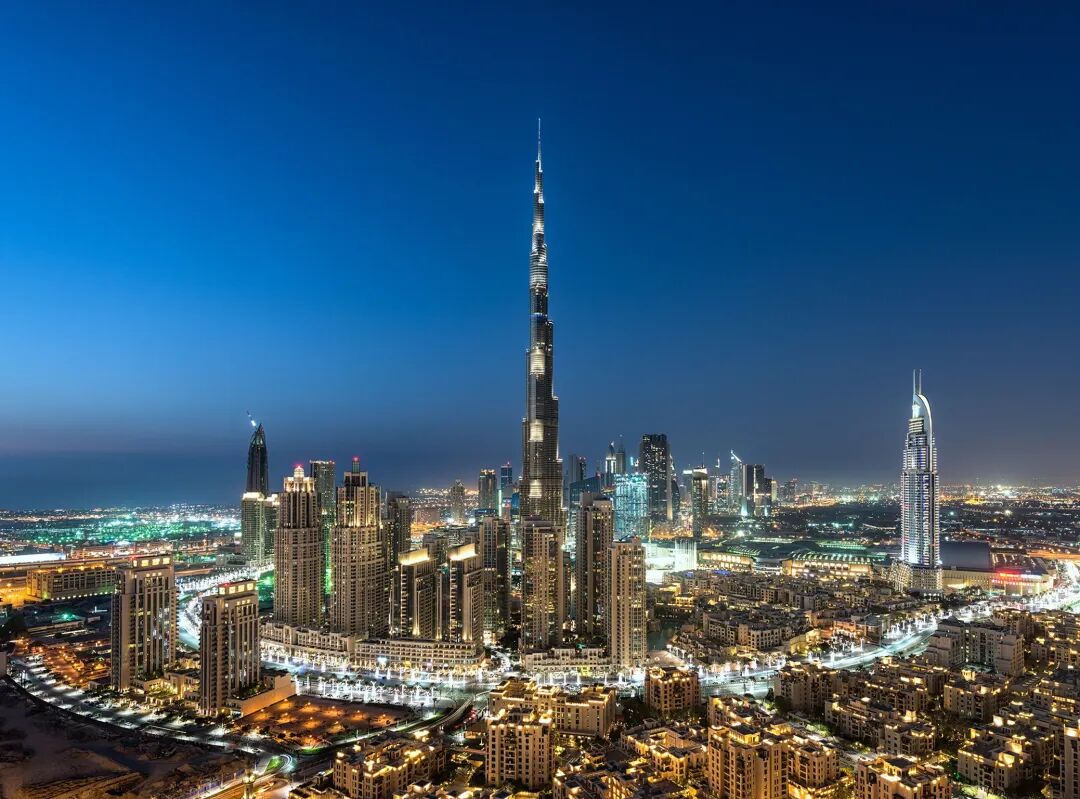
What is particularly noteworthy is that despite overall demand not yet fully returning to last year's peak levels, sellers have not rushed to list their properties. This restraint on the supply side has helped prevent the kind of distressed selling often associated with sharp market corrections.
As Betterhomes CEO Louis Harding noted, what the market is experiencing is not a retreat, but rather a disciplined pause.
Rental Market Recovery Accelerates
The rental sector has rebounded even more quickly than the sales market.
Betterhomes data shows that tenant inquiries surged by 40% between March and April, representing the strongest monthly recovery since the onset of regional tensions.
During the same period, available rental inventory increased from just over 1,000 units at the beginning of March to nearly 2,200 units by the end of April. Approximately 70% of listed properties underwent price adjustments, with average reductions approaching 10%. As a result, Dubai's rental market is gradually transitioning from an undersupplied environment toward a healthier balance between supply and demand.
Villas and Townhouses Continue to Outperform
Across property types, villas and townhouses continue to demonstrate stronger performance than standard apartments, particularly within family-oriented communities.
These properties have maintained greater pricing resilience and shorter leasing periods, reflecting sustained demand from end-users seeking larger living spaces and community-focused lifestyles.
Well-maintained properties have also achieved stronger rental performance, benefiting from higher rents and reduced vacancy periods.
Digital Market Activity Returns to Growth
Additional data from Bayut and dubizzle Property further supports the view that market activity is recovering.
Fifty-eight days after regional tensions emerged, active platform users had recovered to 85% of the 2026 baseline level, while active buyers reached 87%.
Property listing impressions recovered to 92% of baseline levels, page views reached 89%, and high-intent inquiries recovered to 80%.
Even more encouraging is the year-on-year comparison. Compared with the same period in 2025, listing impressions, page views, and high-intent inquiries reached 104%, 105%, and 108% respectively.
These figures suggest that genuine demand has not disappeared. Instead, many buyers and investors appear to have temporarily delayed decision-making while waiting for greater market clarity, and are now gradually re-entering the market.
Most Searched Communities Remain Consistent
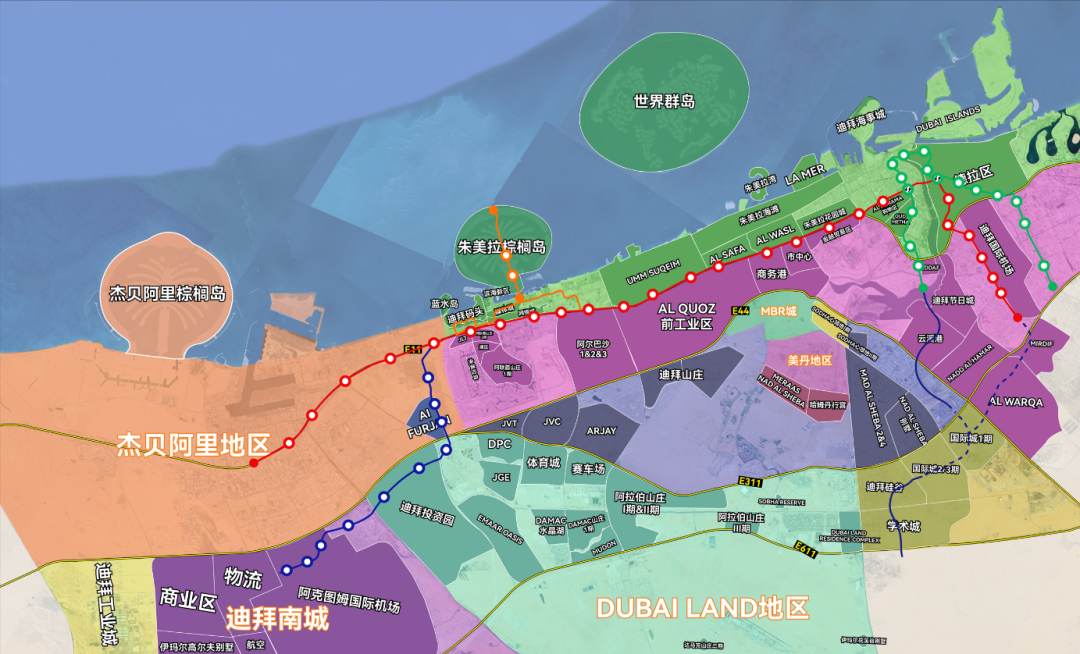
Buyer interest remains concentrated in Dubai's established and high-growth communities.
Ready Apartment Market
Among ready properties, the most searched apartment communities include:
Jumeirah Village Circle (JVC)、Business Bay、Downtown Dubai、Dubai Marina、Arjan
Villa Market
Demand for villas remains strongest in:
Dubai Hills Estate、Arabian Ranches、Arabian Ranches III、Damac Hills 2、Dubai South
Off-Plan Market
Investors continue to focus on growth-oriented districts such as:
Dubai South、Jumeirah Village Circle (JVC)、Business Bay、Majan、Jumeirah Village Triangle (JVT)
These locations continue to attract attention due to their development potential, infrastructure investment, and long-term population growth prospects.
Looking Ahead: A More Mature and Data-Driven Market
Overall, Dubai's real estate market appears to be moving beyond short-term sentiment-driven fluctuations and returning to a more rational and fundamentally driven trajectory.
Population growth, ongoing infrastructure investment, investor-friendly policies, and increasingly transparent market data remain the key pillars supporting long-term demand.
For investors, the focus should extend beyond short-term price movements. Greater attention should be paid to urban planning, rental demand, asset scarcity, and future liquidity potential.
As Dubai's real estate sector continues to mature and become increasingly data-driven, assets with genuine long-term value are likely to stand out and attract sustained investor interest throughout the market’s ongoing normalization process.
[ END ]